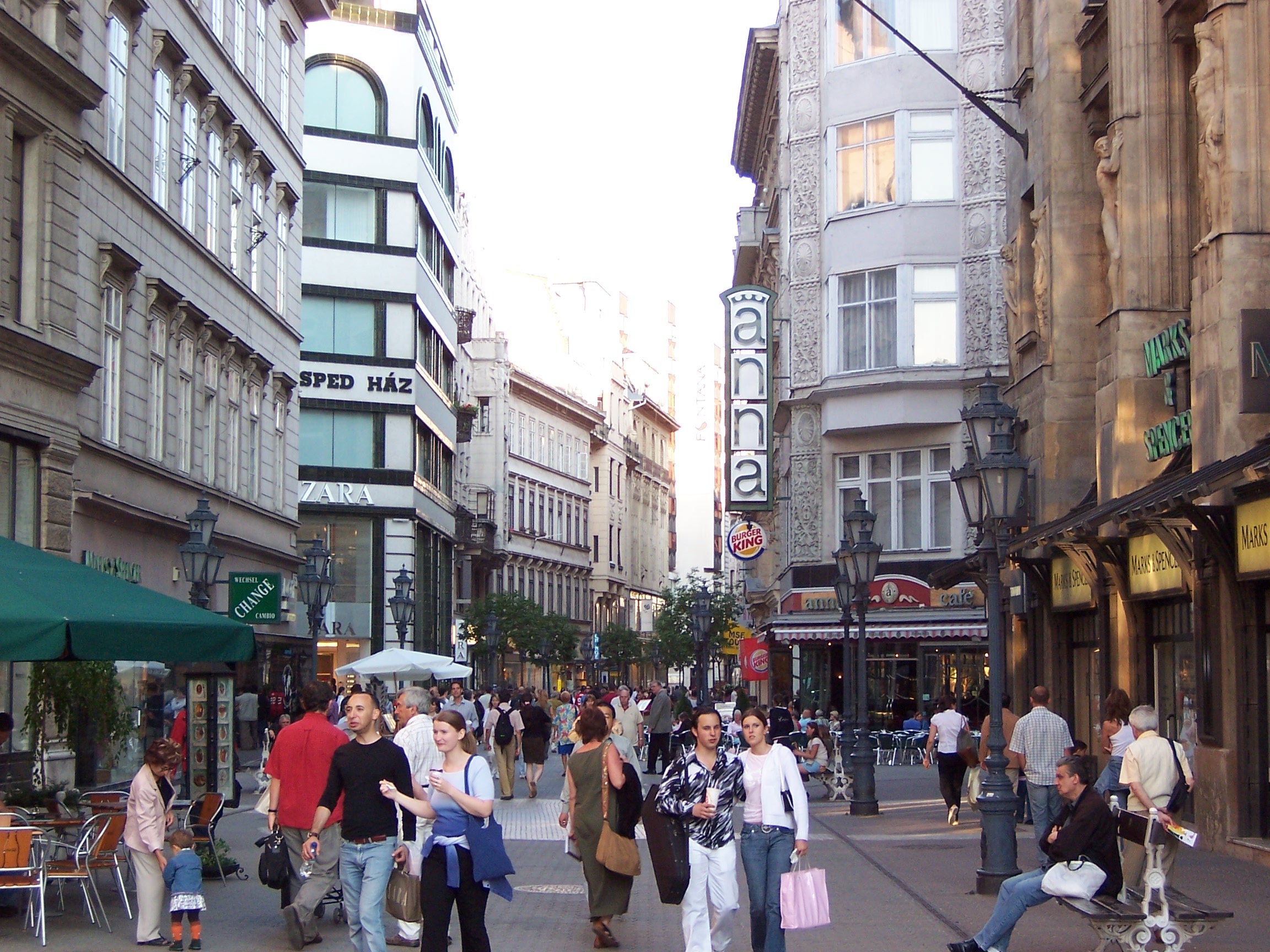
Budapest's fashion scene has shifted noticeably over the past few years. Where the city center once offered little beyond international fast fashion chains, a growing network of independent designers, vintage dealers, and repair-focused businesses now provides genuine alternatives for anyone looking to dress more consciously. This guide maps out what exists across the city's key neighborhoods, based on regular visits throughout 2024 and 2025.
The VII District: Hub for Independent Design
The former Jewish Quarter, now Budapest's most creatively active neighborhood, hosts the highest concentration of independent fashion designers in the city. The streets around Kazinczy utca and Kiraly utca contain a mix of designer-owned showrooms, multi-brand concept stores, and workshops where you can watch garments being made.
Several designers here work exclusively with deadstock fabrics, meaning they purchase leftover materials from larger manufacturers rather than ordering new fabric production. This approach diverts textile waste from landfills while creating genuinely limited-edition pieces. The economics work because deadstock fabric is typically available at a fraction of new production cost, allowing small designers to price their work more accessibly.
What strikes me most about the VII district scene is the transparency. Many of these designers are happy to explain their sourcing, show their production space, and discuss the real challenges of running an ethical fashion business in Hungary. This openness is refreshing compared to the carefully managed sustainability messaging of larger brands.
Vintage and Second-Hand Across the City
Budapest's second-hand market has matured considerably. The city now supports three broad categories of pre-owned clothing retail: curated vintage shops, charity-based second-hand stores, and informal flea markets.
Curated vintage shops are concentrated in the V, VI, and VII districts. These stores sort and select their inventory, focusing on specific eras or quality levels. Prices reflect the curation effort, typically ranging from 3,000 to 15,000 forints for individual items. The quality tends to be high, with pre-owned pieces from European and Japanese brands that no longer manufacture at the same standard.
Charity and institutional second-hand stores operate across all districts, including outer neighborhoods. These offer the widest selection at the lowest prices but require patience and frequent visits. The inventory turns over rapidly, and the best finds appear without predictability. I visit two or three of these stores monthly and consistently find useful items that extend my wardrobe without contributing to new production.
The most well-known flea market for clothing operates at Eotvos 10, holding regular weekend sales in a large community space. The atmosphere is friendly, pricing is negotiable, and the sellers are often private individuals clearing out quality pieces they no longer wear. For the broader context on second-hand markets and circular fashion in Europe, the Ellen MacArthur Foundation provides extensive research on circular economy models that apply to textiles.
The Buda Side: A Different Character
Fashion shopping on the Buda side of the river has a different character from Pest. The neighborhoods around Bartok Bela ut and Moricz Zsigmond korter support a smaller but distinct set of options, including a handful of vintage shops that benefit from lower rents than their Pest counterparts.
The XI district has quietly developed a cluster of repair and alteration services that serve the local residential population. Tailors in this area tend to be experienced professionals who trained in the Hungarian apprenticeship system. Their work is typically excellent and priced significantly below equivalent services in the city center.
If you live on the Buda side, the combination of local tailoring for maintenance and periodic trips to Pest for acquisition can support a sustainable wardrobe without the time commitment that frequent vintage shopping demands.
Markets and Seasonal Events
Beyond permanent retail locations, Budapest hosts several seasonal events relevant to conscious fashion. The city's design weeks, typically in spring and autumn, showcase emerging Hungarian designers and often include sample sales where you can purchase directly from makers at reduced prices.
Swap events have grown in popularity, particularly among younger residents. These organized clothing exchanges operate on a simple model: bring items in good condition, receive tokens, use tokens to select other people's contributions. The quality varies, but the concept eliminates the monetary cost entirely and encourages direct reuse.
The Central Market Hall near Liberty Bridge occasionally hosts weekend markets with a textile focus, featuring local producers selling handwoven items, naturally dyed fabrics, and small-batch knitwear. These are not frequent, but checking the market's event calendar before visiting is worthwhile.
Practical Advice for Getting Started
Shifting your shopping habits in Budapest does not require a dramatic overhaul. Start with the category where you spend most: for many people, that is basics like t-shirts and casual trousers. Replace fast fashion defaults with vintage alternatives or pieces from local designers, and evaluate the difference in quality over a few months of wear.
- Set a budget per item, not per shopping trip. Sustainable fashion often costs more per piece but less over time because the items last longer.
- Visit vintage shops without a specific goal. The best second-hand finds are unexpected. Browse regularly rather than searching with urgency.
- Build relationships with local tailors. A good alteration can transform a vintage find that is close but not quite right into a piece that fits perfectly.
- Check fabric composition before purchasing. Even in vintage shops, the care label tells you what the garment is made from and how to maintain it.
For a broader perspective on conscious consumption practices across Europe, the Fashion Revolution movement publishes annual reports on transparency and consumer awareness that provide useful context for individual choices.